
Category: Adobe Stock

Stock Images for Webinar Registration Pages: Enhancing Conversions with Visual Impact
April 24, 2026
Webinar registration pages serve as critical entry points for audience engagement. Whether promoting a live event, training session, or product demo, the design and content of these pages directly influence conversion rates. Among the key elements that shape user perception, stock images play a vital role in capturing attention and communicating value. When used strategically, they can significantly improve sign-ups and overall user experience.
Why Visuals Matter on Registration Pages
First impressions happen quickly, especially online. Visitors landing on a webinar registration page often decide within seconds whether to stay or leave. Strong visuals help establish credibility, clarify the topic, and create an emotional connection.
A well-chosen image can instantly convey what the webinar is about—be it business growth, technology, education, or creative skills. It also supports the written message, making the page more engaging and easier to understand. Without compelling visuals, even the most valuable webinar may struggle to attract attention.
Choosing the Right Stock Images
Selecting the right stock images requires more than simply picking visually appealing photos. Relevance is key. The image should align closely with the webinar topic and target audience. For example, a corporate training webinar may benefit from professional team imagery, while a creative workshop might use more dynamic and colorful visuals.
Platforms like Adobe Stock offer a wide range of high-quality options, making it easier to find an adobe stock image that matches your theme and branding. Look for images that feel authentic and natural, avoiding overly staged or generic visuals that may reduce credibility.
Composition is also important. Images with clear focal points and sufficient negative space allow for easy integration of text overlays, such as headlines or calls to action.
Types of Images That Work Best
Different types of visuals can be effective depending on the webinar’s purpose. Speaker-focused images, such as portraits or action shots, help build trust and establish authority. If the webinar features a known expert, showcasing their image can increase registration rates.
Contextual images are another strong option. These visuals represent the subject matter of the webinar, such as technology setups, business meetings, or learning environments. They help users quickly understand what they can expect.
Abstract or conceptual images can also work well, particularly for topics like innovation or strategy. However, they should be used carefully to ensure they don’t confuse the message.
Optimizing Images for Performance
High-quality images are essential, but they must also be optimized for web performance. Large file sizes can slow down page loading times, negatively impacting user experience and conversions. Compress images without sacrificing quality to ensure fast loading across devices.
Responsive design is equally important. Images should display correctly on desktops, tablets, and smartphones. Testing across different screen sizes ensures a consistent experience for all users.
Best Practices for Integration
To maximize effectiveness, images should complement the overall layout rather than dominate it. Place visuals strategically near headlines or registration forms to draw attention without overwhelming the content.
Consistency with branding is crucial. Use images that align with your color palette, tone, and overall design style. This creates a cohesive and professional look that reinforces trust.
It’s also beneficial to test different images through A/B testing. Small changes in visuals can have a significant impact on conversion rates, helping you identify what resonates most with your audience.
Conclusion
Stock images are powerful tools for enhancing webinar registration pages. By selecting relevant, high-quality visuals and integrating them thoughtfully, businesses can improve engagement and drive more sign-ups. Leveraging resources like adobe stock image libraries ensures access to professional content that aligns with your goals. With the right approach, visuals become more than just decoration—they become a key driver of conversion success.

Stock Photos: Friend or Foe? Navigating Their Impact on Your Brand’s Image
August 28, 2024
As a seasoned brand strategist, I’ve witnessed firsthand the transformative power of visual content in shaping a company’s identity. In today’s digital landscape, the importance of high-quality imagery cannot be overstated. Stock photo websites have emerged as a go-to resource for businesses seeking to enhance their visual presence without breaking the bank.
However, the impact of stock photos on your brand isn’t always straightforward. While these platforms offer convenience and affordability, they also present unique challenges that can affect your brand’s authenticity and distinctiveness. In this article, I’ll explore the nuanced relationship between stock photo usage and brand perception, offering insights to help you navigate this visual minefield and make informed decisions for your company’s image.
Key Takeaways
- Stock photos offer convenience and affordability but can impact brand authenticity and distinctiveness
- Overuse of stock images can lead to reduced trust, diminished memorability, and potential SEO implications
- Custom photography, user-generated content, and original graphics are effective alternatives to stock photos
- When using stock images, prioritize high-quality, authentic visuals that align with your brand identity
- Developing a consistent visual identity and incorporating real people and situations enhances authentic branding
Understanding Stock Photos and Their Impact on Branding
Stock photos play a significant role in modern digital marketing, but their impact on branding can be complex. Let’s explore what stock photos are and how they influence brand perception.
What Are Stock Photos?
Stock photos are pre-existing images available for licensing and use in various marketing materials. These professional-quality photographs cover a wide range of subjects and are typically stored in online databases. Businesses can purchase or license these images for use in their marketing campaigns, websites, and other promotional materials. Stock photos offer a cost-effective solution for companies that need high-quality visuals but lack the resources to produce custom photography.
The Prevalence of Stock Photos in Digital Marketing
In today’s digital landscape, stock photos have become ubiquitous. Many businesses, especially small to medium-sized enterprises, rely heavily on stock imagery to create visually appealing content. Platforms like Adobe Stock have revolutionized access to high-quality visuals, offering a vast library of images at competitive prices. The demand for “best stock photos” has surged as marketers seek to enhance their visual content without breaking the bank.
The popularity of stock photos extends beyond still images. With the rise of video marketing, there’s an increasing demand for “cheap stock footage” to supplement promotional videos and social media content. This trend highlights the versatility of stock media in meeting diverse marketing needs across various platforms and formats.
However, the widespread use of stock photos also presents challenges for brand differentiation. As multiple businesses may use the same or similar images, it becomes crucial for marketers to carefully select and customize stock photos to maintain brand uniqueness and authenticity.
The Drawbacks of Using Stock Photos for Your Brand

While stock photos offer convenience and cost-effectiveness, they come with several potential drawbacks that can impact your brand’s image and effectiveness. Let’s explore these challenges in detail.
Lack of Authenticity and Originality
Using stock photos can compromise the authenticity of your brand’s visual representation. These images, available to anyone with a subscription, lack the unique quality that custom photography provides. When I utilize stock photos, I’m aware that my brand risks blending in with competitors who may be using the same or similar images. This lack of originality can diminish the impact of my visual content and make it harder for my brand to stand out in a crowded digital landscape.
Potential for Overuse and Recognition
Even the best stock photos can become victims of their own popularity. As I browse through platforms like Adobe Stock, I often encounter images that I’ve seen used by multiple brands across various industries. This overuse can lead to audience fatigue and recognition, potentially causing viewers to associate my brand with others they’ve seen using the same imagery. The result is a diluted brand message and a missed opportunity to create a unique visual identity.
Inconsistency with Brand Identity
Stock photos, while diverse, may not always align perfectly with my brand’s specific identity, values, or aesthetic. This misalignment can create visual inconsistencies across my marketing materials, website, and social media platforms. When I use stock photos that don’t quite fit my brand’s tone or style, I risk confusing my audience and weakening the cohesive visual narrative I’m trying to build.
Limited Customization Options
While some stock photo websites offer customization features, the options are often limited compared to custom photography. I find that I can’t always tailor stock images to perfectly match my brand’s specific needs or vision. This limitation can be particularly challenging when I’m trying to create a unique visual story or convey a complex brand message. The inability to fully control the composition, lighting, or subject matter of stock photos can hinder my ability to create truly distinctive and on-brand visual content.
How Stock Photos Can Negatively Affect Your Business
While stock photos offer convenience they can potentially harm your business in several ways. Let’s explore some of the negative impacts of relying too heavily on stock imagery.
Reduced Trust and Credibility
Using generic stock photos can diminish the authenticity of your brand and erode trust with your audience. When visitors encounter familiar images they’ve seen elsewhere they may perceive your business as less genuine or professional. This lack of originality can make it challenging to establish a unique identity and build credibility in your industry.
Diminished Memorability
Stock photos often lack the distinctive qualities that make a brand memorable. By using generic images that countless other businesses also utilize you risk blending into the crowd. This lack of visual uniqueness can make it difficult for customers to recall your brand when making purchasing decisions potentially impacting your bottom line.
Potential SEO Implications
While using stock photos from reputable sources like Adobe Stock can be beneficial overreliance on generic images may have SEO consequences. Search engines value original content and using the same images as numerous other websites could potentially affect your search rankings. Additionally unique images provide opportunities for alt text and image descriptions that can boost your SEO efforts.
Legal and Licensing Concerns
Even when using the best stock photos available legal and licensing issues can arise. Misunderstanding or misusing image licenses can lead to costly legal disputes. Some cheap stock footage options may come with limited usage rights requiring additional purchases for extended use. It’s crucial to thoroughly understand the licensing terms of any stock imagery you use to avoid potential legal complications that could damage your business reputation and finances.
Alternatives to Stock Photography

While stock photos have their place, exploring alternatives can significantly enhance your brand’s visual identity. Here are some compelling options to consider:
Custom Photography and Illustrations
Custom photography and illustrations offer unparalleled uniqueness for your brand. By investing in professional photo shoots or commissioning custom artwork, I ensure that my visual content aligns perfectly with my brand’s aesthetic and message. This approach allows me to create images that are tailored to my specific needs, featuring my products, team members, or unique settings that resonate with my audience. Custom visuals not only set my brand apart but also provide a level of authenticity that stock photos simply cannot match.
User-Generated Content
Leveraging user-generated content (UGC) is an excellent way to showcase authentic brand experiences while engaging my community. By encouraging customers to share photos of themselves using my products or services, I can curate a collection of genuine, relatable images. This strategy not only provides fresh, diverse content but also builds trust and fosters a sense of community around my brand. Additionally, featuring UGC can significantly boost engagement and loyalty, as customers feel valued and recognized.
Creating Original Graphics
Developing original graphics, such as infographics, illustrations, or branded templates, allows me to maintain consistent visual branding across all platforms. By creating a library of custom graphics, I can ensure that every visual element aligns with my brand’s color scheme, style, and messaging. This approach is particularly effective for presenting data, explaining complex concepts, or creating eye-catching social media content. Original graphics can be designed to be easily adaptable, allowing for consistent branding across various marketing materials and platforms.
When Stock Photos May Be Appropriate

While custom photography is ideal, there are situations where stock photos can be a suitable option for businesses. Here are some best practices for selecting and using stock images effectively:
Best Practices for Selecting Stock Images
When choosing stock photos, I recommend focusing on quality and relevance. Here are some key considerations:
- Opt for high-resolution images: Select the best stock photos available to ensure your visuals appear crisp and professional across all devices.
- Seek authenticity: Look for images that feel genuine and align with your brand’s aesthetic. Avoid overly staged or artificial-looking photos.
- Consider diversity: Choose images that represent a wide range of people, cultures, and experiences to appeal to a broader audience.
- Customize when possible: Many stock photo platforms, like Adobe Stock, offer tools to modify images. Use these features to make stock photos more unique to your brand.
- Stay current: Regularly update your stock photo selections to keep your visual content fresh and relevant.
- Be mindful of licensing: Always ensure you have the proper rights to use the images you select, especially for commercial purposes.
- Look for consistency: When using multiple stock photos, aim for a cohesive style that matches your brand’s visual identity.
- Consider cheap stock footage: For video content, explore affordable stock footage options that can enhance your visual storytelling without breaking the bank.
By following these guidelines, you can make the most of stock photos while maintaining a professional and cohesive brand image.
Strategies for Authentic Visual Branding

To create a cohesive and genuine visual brand, businesses must adopt strategic approaches that align with their identity and values. Here are key strategies to enhance authentic visual branding:
Developing a Consistent Visual Identity
Establishing a consistent visual identity is crucial for building a strong brand presence. I recommend creating a comprehensive style guide that outlines your brand’s color palette, typography, logo usage, and image style. This guide should inform all visual content creation, including the selection of stock photos. When using stock images, ensure they align with your established aesthetic. For instance, if your brand employs a minimalist style, choose stock photos with clean lines and uncluttered compositions. Consistency across all visual elements, from your website to social media posts, reinforces brand recognition and professionalism.
Incorporating Real People and Situations
To enhance authenticity, integrate images of real people and genuine situations into your visual content. While stock photos can be useful, they often lack the personal touch that resonates with audiences. Consider these approaches:
- Custom photography: Invest in professional photoshoots featuring your team, products, or services in action. This approach ensures unique visuals that truly represent your brand.
- User-generated content: Encourage customers to share photos of their experiences with your products or services. This not only provides authentic visuals but also fosters community engagement.
- Behind-the-scenes content: Share candid moments from your workplace or events to humanize your brand and build trust with your audience.
- Carefully curated stock photos: When using stock images, opt for those that depict realistic scenarios and diverse individuals. Adobe Stock offers a wide range of high-quality, authentic-looking images that can complement your custom visuals.
By implementing these strategies, you can create a visual brand that feels genuine and relatable, even when incorporating stock photos. Remember, the key is to balance professional quality with authentic representation of your brand’s unique identity.
Conclusion: Balancing Convenience and Brand Authenticity
Stock photo websites offer a convenient solution for businesses seeking visual content. However their impact on brand identity can be significant. I’ve explored the challenges and potential drawbacks of relying solely on stock imagery. Yet with careful curation and strategic use stock photos can still play a role in a brand’s visual strategy.
The key lies in striking a balance between convenience and authenticity. By combining stock photos with custom imagery and user-generated content businesses can create a unique visual identity. It’s crucial to prioritize brand consistency authenticity and legal compliance when selecting and using stock photos.
Adobe Stock: A Blogger Mom’s Answered Prayer
July 16, 2015
Can you imagine the pain bloggers has to go through to perk up their blogs with high-quality images? I do. Every time I post a blog, I am under great pressure of providing my readers with top-quality, gorgeous-looking and content-relevant images. I always feel that I owe it to them. So, I take the time to find these images and work on them in my photo-editing software. Thanks to Adobe Stock, everything has changed.

How Adobe Answered my Prayer
For someone running a blog and a daycare center (I’m a proud housewife), time is a luxury. Caught in between changing diapers and cooking dinner, I hardly have enough time to write a blog. But, I love writing. It is the only time I can call my own. Since content marketing also updates tactics and strategies to reach a wider range of audience, I also modernize my blog writing through cheap stock photos to keep up.
The photo-editing application that I have been using is Adobe’s Photoshop. Thanks to my brother Ken, I’ve been quite confident with it. It has been helping me a lot with editing photos to suit my web content and design. On the other hand, I get my photos from cheap stock photo agencies. I’ve been website-hopping for the past couple of years just to find one that fills my creative needs. So when Adobe launched Adobe Stock, I felt that my prayer has been answered.
Perks of Adobe Stock to a Blogger Mom
- Adobe Stock is integrated into Photoshop! This is that one piece of information that blew my mind – the right piece to my photo-shopped puzzle, the perfect key to my stock photo heart. Now, I do not have to download images to my computer and import them to my photo-editing app. I can simply choose a photo and it will be directly available to Photoshop.
- Who does not love discounts? Discount is among a woman’s greatest desires. It probably ranks second to eating without getting fat. As a creative cloud member, I am entitled to a huge discount. Instead of paying $49.99 for 10 images a month, I get a discounted stock image plan of $29.99.
- Sometimes, I can’t use up all 10 images in a month. Thankfully, unused Adobe Stock photos are rolled over for an entire year. Also, I am allowed to work on lower-resolution images first, allowing me to edit the image and check if I can edit it to my heart’s content before I purchase the full version. Plus, my edits will automatically apply when I upgrade.
Adobe Stock has helped me become an effective blogger and mother. It saves me a lot of time and effort. Since it is integrated into Photoshop, I can save time from downloading and importing. Instead of sitting idly waiting for those to happen, I can tend to my baby’s needs instead. I can set the table or wash the dishes, too. In a word, it gives me more time to fulfill my motherly duties.
Using Adobe Stock Images in Blogging
March 14, 2015
Blogging is a good way to express your ideas and thoughts. The technology that has been made available to everyone means that whatever you post online, has a chance of getting noticed by everyone.
As a blogger, the thoughts come easy but what you need to get better engagement with your posts are images and graphics. The easiest way is to us pictures. You can get a designer get stuff done for you but well, if you’re looking for a quick post its images.
Images for Blogging
It’s not rocket science on what image you put when you post a blog. Pick the one that’s closest to your topic – to what you’re talking about. It’s not that hard. The challenge you’re going to face is that it may be easy to get your images but are you allowed to use it? That’s the question?
There are tons of images on the internet that may be related to whatever it is that you are blogging about but the thing is, you just can’t use any of them. There are legal issues with using images you just picked somewhere on the internet.
That’s why you need Adobe Stock Images, which are the perfect images for your blog posts and they won’t get you into any legal trouble.
High Quality Images
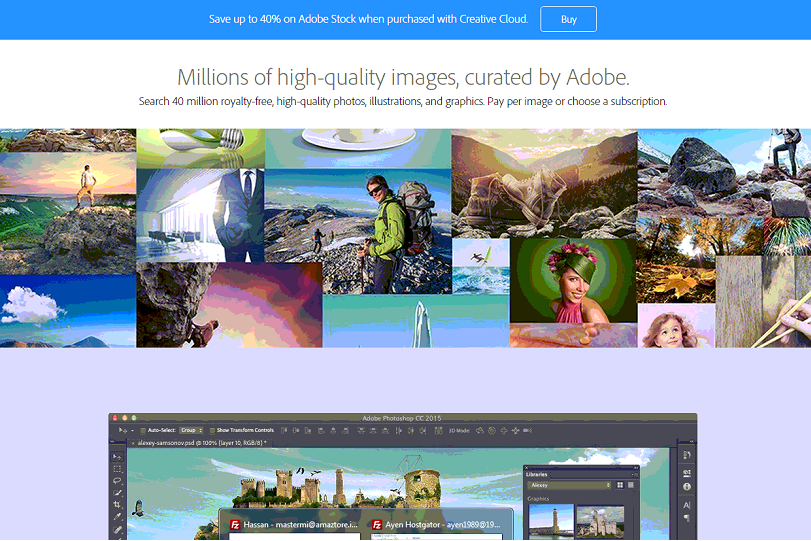
They are all high quality images, which means that these are the pictures that you’re proud to show on your blog. You can showcase these as featured images. You can put these as any image that you can put in your blog post.
On top of that you get millions of these photos, illustrations and graphics that you can use which means that whatever niche you’re in, what topic you are writing about, there is an appropriate one that you will be able to use.
Easy Editing
As a designer, you’re also able to use these images straight from any Adobe Creative Cloud app that you’re using.
What you have now is an endless stream of Adobe Stock Images that you can use for your blogs and then you also have images that you can make changes to if you choose to do so. Whether you are starting out or already a seasoned blogger with a lot of posts under your belt, let’s face it, you will need graphics, photos and illustrations for your blogs.
There are a lot of bloggers out there who can attest the use of stock images, and it has done wonders for them. It’s just amazing how you can now have the power to put royalty-free, high quality images in an instant.
There’s definitely a lot of benefits with Adobe Stock Images – millions of content and easy integration with all your tools. What more can you ask.
So if you’re a blogger, get it out of your mind, stop thinking about where to get your images. You know where to get them, you know what to use.